
Plains, rivers and forests
A Serengeti game drive, a boat excursion along the Rufiji and a guided forest walk reveal different wildlife and habitats. On foot, tracks, vegetation, birds and smaller animals come into focus. Choose by the encounter you want, the season and which activities are permitted.
The game drive
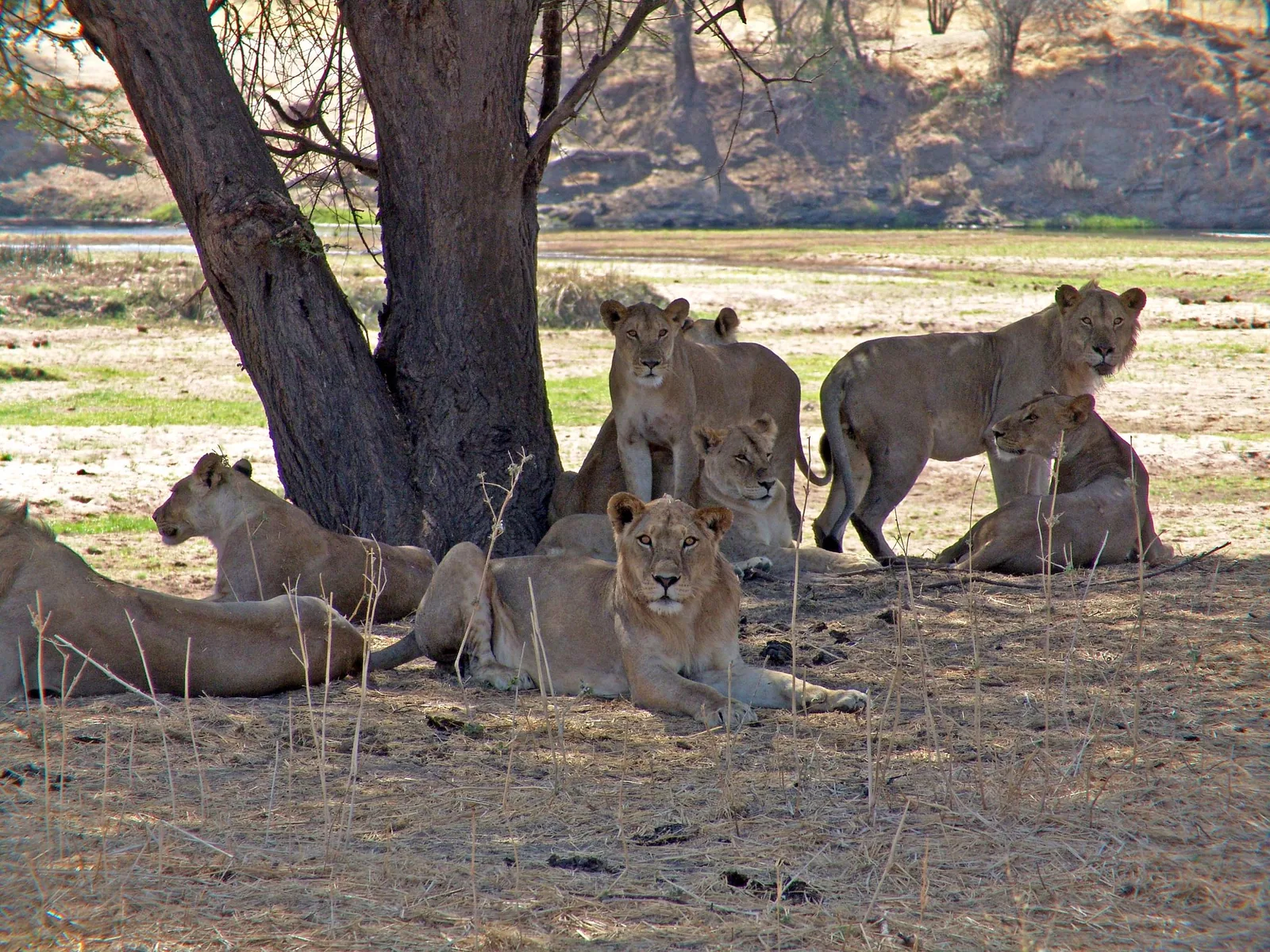
Game drives follow each park's designated areas and operating rules. Open grassland can make distant movement easier to see; woodland offers closer surprises but limits visibility. During dry periods, rivers and waterholes may draw wildlife together. Routes, time in the vehicle and animal behaviour shape the encounter.
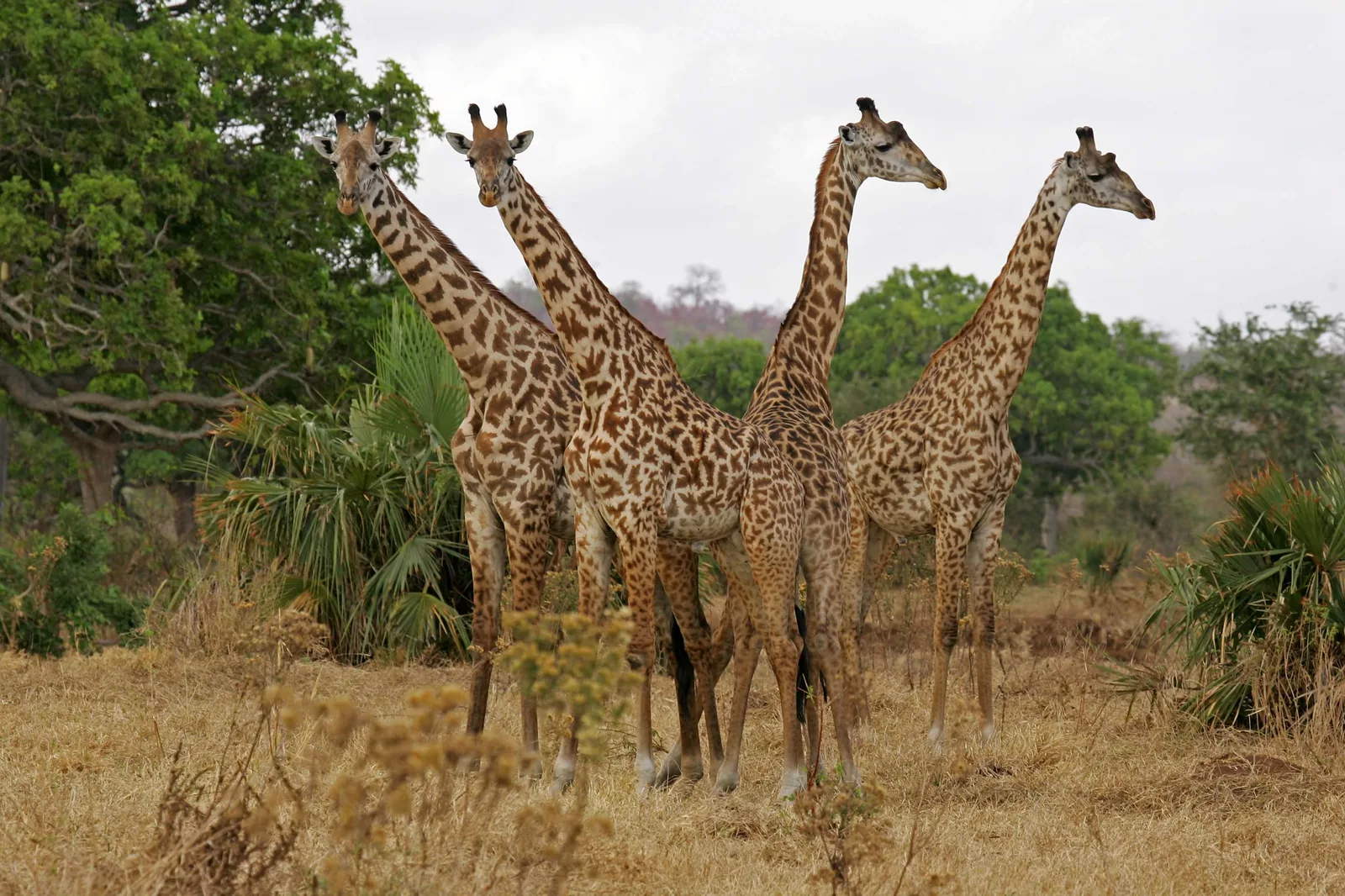
Lion, leopard, cheetah, elephant, buffalo and a wide range of antelope, giraffe and bird species may be encountered in suitable habitats. The 'Big Five' are not readily seen in every park or journey. Rhinoceros sightings are especially uncommon.
A daytime game drive may occupy a morning, afternoon or longer daylight period. These are not always equivalent to two independent half-day activities: travel, park rules and continuous observation matter. A night game drive, where specifically permitted, introduces a different viewing window and separate permissions and fees. A sundowner or bush meal is not automatically part of a park-entry fee.
Explore protected-area and activity fees or see how selected activities may fit within a visit.
The Great Migration
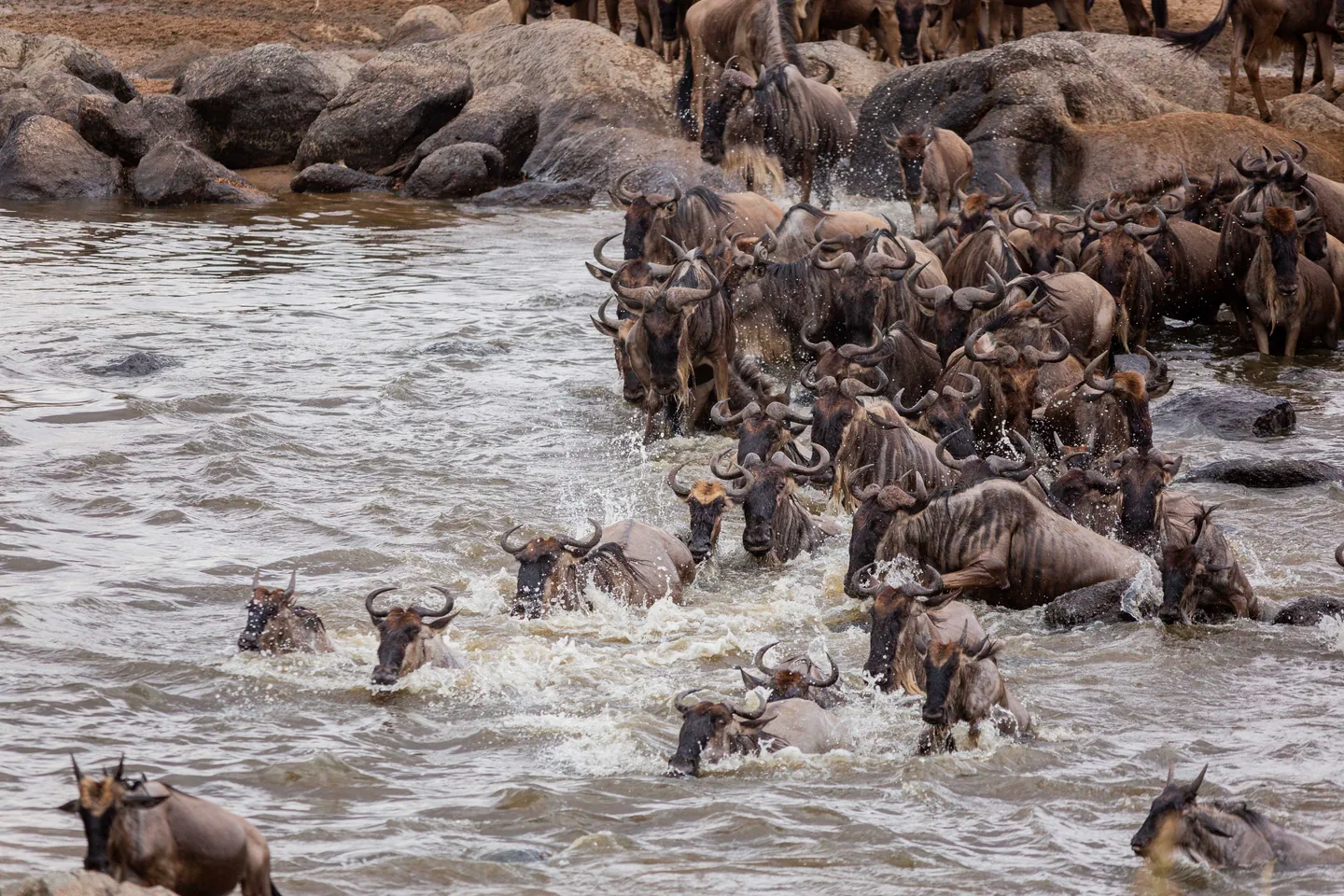
The Serengeti migration is a year-round cycle shaped chiefly by rainfall and fresh grazing. Wildebeest travel with large numbers of zebras and gazelles. Predators and scavengers respond to the movement, but the ecosystem contains far more than the migrating herds.
Southern plains and the calving season
From roughly December into April, depending on rainfall, parts of the migration are associated with the southern Serengeti–Ndutu plains and adjoining Ngorongoro landscape. January and February are especially associated with concentrated wildebeest calving. The combination of young animals, open grassland and hunting predators can make this a distinctive period for observation.
Calving happens over a period, and the wider landscape is rewarding in its own right: seasonal lakes, acacia woodland, zebra, gazelle, giraffe, elephant and birds share these plains. A birth or hunt may be memorable, but it is only one part of the ecology.
Ndutu's regulatory context is important. Parts of the area lie in the Ngorongoro Conservation Area rather than Serengeti National Park. An activity advertised in one area, such as off-road viewing, must not be assumed to be permitted throughout both jurisdictions.
Western corridor and Grumeti
As conditions change, the herds commonly move towards the western Serengeti and the Grumeti region, broadly during May to July. River channels and gallery woodland create a different viewing environment from the southern calving plains. Crossings can occur, but their timing, location and spectacle are not predictable from a calendar.
Northern Serengeti and the Mara River
The northern Serengeti, including the Kogatende and Lamai areas, is associated with migration activity and Mara River crossings during part of the dry-season and subsequent months. A broad July–October or August–November reference can guide research, but it is not a crossing forecast.
Herds may spend long periods approaching a bank, retreat, cross elsewhere or fail to cross while a visitor watches. A photograph of a dramatic crossing captures one moment; it does not describe a standard day's guaranteed activity. Some animals move between the Serengeti and Kenya's Maasai Mara, while others remain dispersed across Tanzania's wider ecosystem.
Where the migration is today
Use seasonal patterns to select a Serengeti region, then consult dated observations from local guides or researchers. Last week's herd location cannot predict tomorrow's crossing. Rainfall, grazing, water and habitat explain the movement better than any single photograph.
Other northern wildlife experiences
Ngorongoro Crater and highlands
The Ngorongoro Crater offers a concentrated and visually striking wildlife landscape within a larger conservation area that also contains highlands, archaeological sites and resident communities. The crater's ecological character is distinct from the open, mobile Serengeti herds. A crater descent is a separately governed activity; transiting the conservation area and descending into the crater are not interchangeable fee events.
Tarangire and Lake Manyara
Tarangire is strongly associated with baobabs, elephants and seasonal concentrations around the Tarangire River. Dry conditions can increase visibility at water sources. Lake Manyara offers a different encounter: groundwater forest, the Rift Valley escarpment, baboons, birds and a lake whose character changes with water levels. Tree-climbing lions have been reported there; their presence should be treated as wildlife behaviour one may hope to see, not a promised sighting.
The broader Tarangire–Manyara ecosystem extends beyond park boundaries. Seasonal movement and habitat variation help explain why a good visit is not measured solely by a species checklist.
Arusha National Park and shorter visits
Arusha National Park combines Momella Lakes, wooded slopes below Mount Meru, the Ngurdoto landscape, birdlife, monkeys, giraffes and other wildlife. Depending on the selected activity and current rules, guided walking and game driving can reveal different aspects of the park.
This can be worth considering when time is limited, including before or after a mountain journey. A short visit is a complete visitor choice, not merely a truncated version of a five-day safari. It still needs realistic arrival, entry, activity and departure allowances.
Southern wildlife experiences
Nyerere National Park and the Rufiji
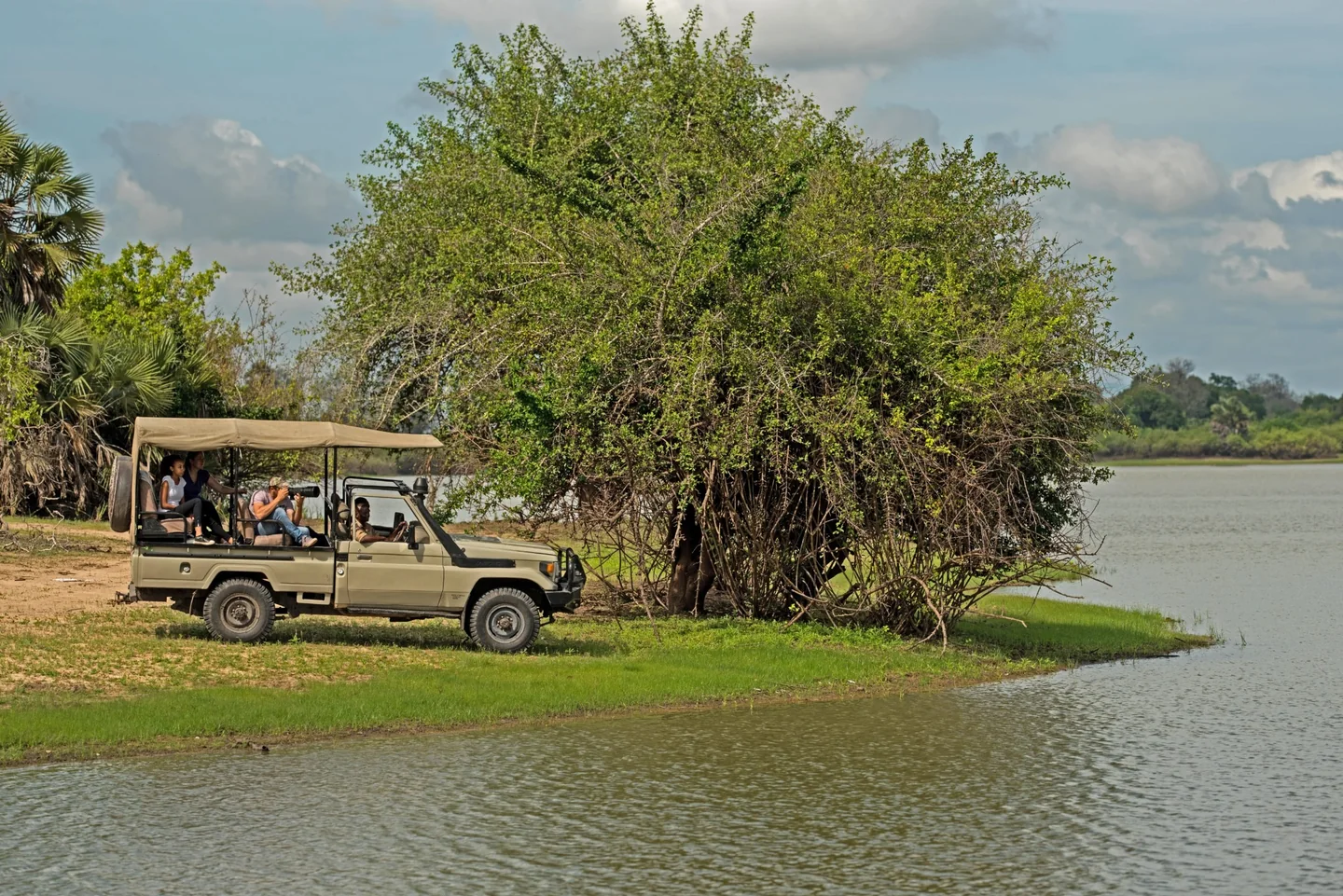
In Nyerere, river and lake environments add another dimension to a safari. A boat excursion can bring views of hippos, crocodiles, waterbirds and wildlife near the shoreline, while game drives reveal inland habitats. The pace, viewing angle and practical risks differ significantly between the two.
Boat excursions can range from a short look along the water to a more extended experience. The route, water level, guide and authorised activity determine what is possible; canoeing and fishing call for their own arrangements.
Ruaha
Ruaha is associated with the Great Ruaha River system, rugged landscapes, elephants, predators, antelope and the possibility of encounters with African wild dogs. Its character can be especially appealing to travellers interested in the ecology of a large wilderness rather than any one iconic photographic moment. Seasonal river conditions and access shape the experience.
Mikumi and Udzungwa
Mikumi's savannah wildlife and Udzungwa's forest, endemic species and hiking offer contrasting experiences within southern Tanzania. Udzungwa is not simply another vehicle-based game-drive park: forest walking and waterfalls are central to the relevant visitor choices.
Western Tanzania and other alternatives
Katavi is known for broad seasonal floodplains and striking dry-season concentrations of hippos, buffalo and other wildlife. Its remote position makes access planning consequential.
Mahale and Gombe are principally forest-primate destinations rather than conventional game-drive alternatives. See chimpanzee trekking.
Ugalla River offers miombo woodland, riverine areas, wetland habitats and species including sable and roan antelope. It is a destination for which current access, permitted activities and service arrangements warrant particular attention.
Mkomazi, with its conservation landscape and rhinoceros-related experiences, is different from a general open wildlife drive; specific viewing or tracking requires the corresponding permitted programme. Saadani links a coastal setting with wildlife habitats. Rubondo Island, Saanane Island, Kitulo, Burigi-Chato, Ibanda-Kyerwa and Rumanyika-Karagwe expand the range of Tanzania's protected-area environments beyond the classic circuit; their opportunities and visitor infrastructure should be assessed individually.
Compare Tanzanian regions and places.
Beyond the Big Five
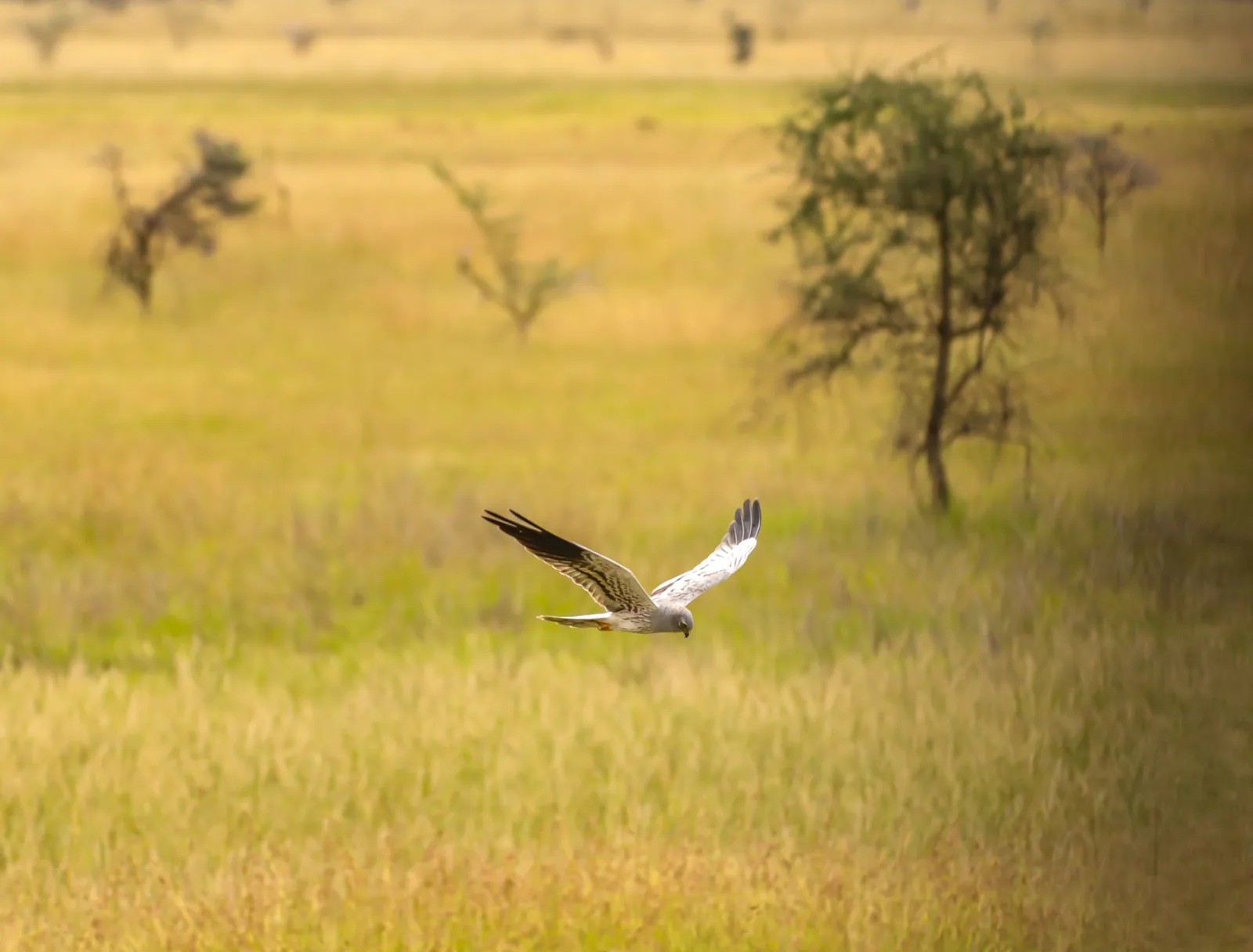
Kitulo's highland grasslands, plants and seasonal flowers offer a different reason to travel. Sometimes called the 'Serengeti of Flowers', it deserves attention for its own ecology, not its large-mammal numbers.
Birding offers another distinct way to experience Tanzania. Forests, wetlands, highland habitats, lakes and savannahs support very different bird communities. A visitor watching flamingos in a Rift Valley lake, forest birds in Udzungwa or waterbirds along a river is not undertaking a lesser version of a lion-viewing drive.
Udzungwa and the Eastern Arc deserve attention in their own right. Forest walking, endemic species, waterfalls and conservation histories have different access and visitor rules from game driving.
Explore the Eastern Arc Mountains and Tanzania's broader Great Lakes landscapes.
Conservation behind the encounters
Conservation adds another dimension to wildlife encounters. Rhinoceros protection in the Serengeti, lion–livestock coexistence in Ngorongoro, wildlife movement between Tarangire and Manyara, and large-carnivore conservation around Ruaha are all part of the story. Each is a reason to learn about the landscape beyond the vehicle.
Read about conservation and communities.
Beyond watching from a vehicle
Walking safaris
A short guided walk can reveal tracks, plants, bird calls and terrain that are easy to miss from a vehicle. Longer walks may require additional time, preparation, specialised guides, permissions and, in some settings, overnight arrangements. The presence of a trail does not make an unguided wildlife walk appropriate.
Fly camping and nights in the bush
Fly camping is a distinct wilderness accommodation and activity arrangement, not merely the presence of a tent. It can carry safety, operating and fee requirements that differ from ordinary public campsites. Night drives also have their own location- and duration-dependent rules; neither activity should be attached automatically to every safari.
Boating, fishing and canoeing
These can broaden wildlife observation where explicitly offered and approved. Water safety, habitat sensitivity, permitted areas and equipment availability matter. On Lake Tanganyika, for example, a forest-based visit may include an opportunity to observe the shore from a boat, but this is not identical to a Rufiji River boating safari.
Bush meals, sundowners and other additions
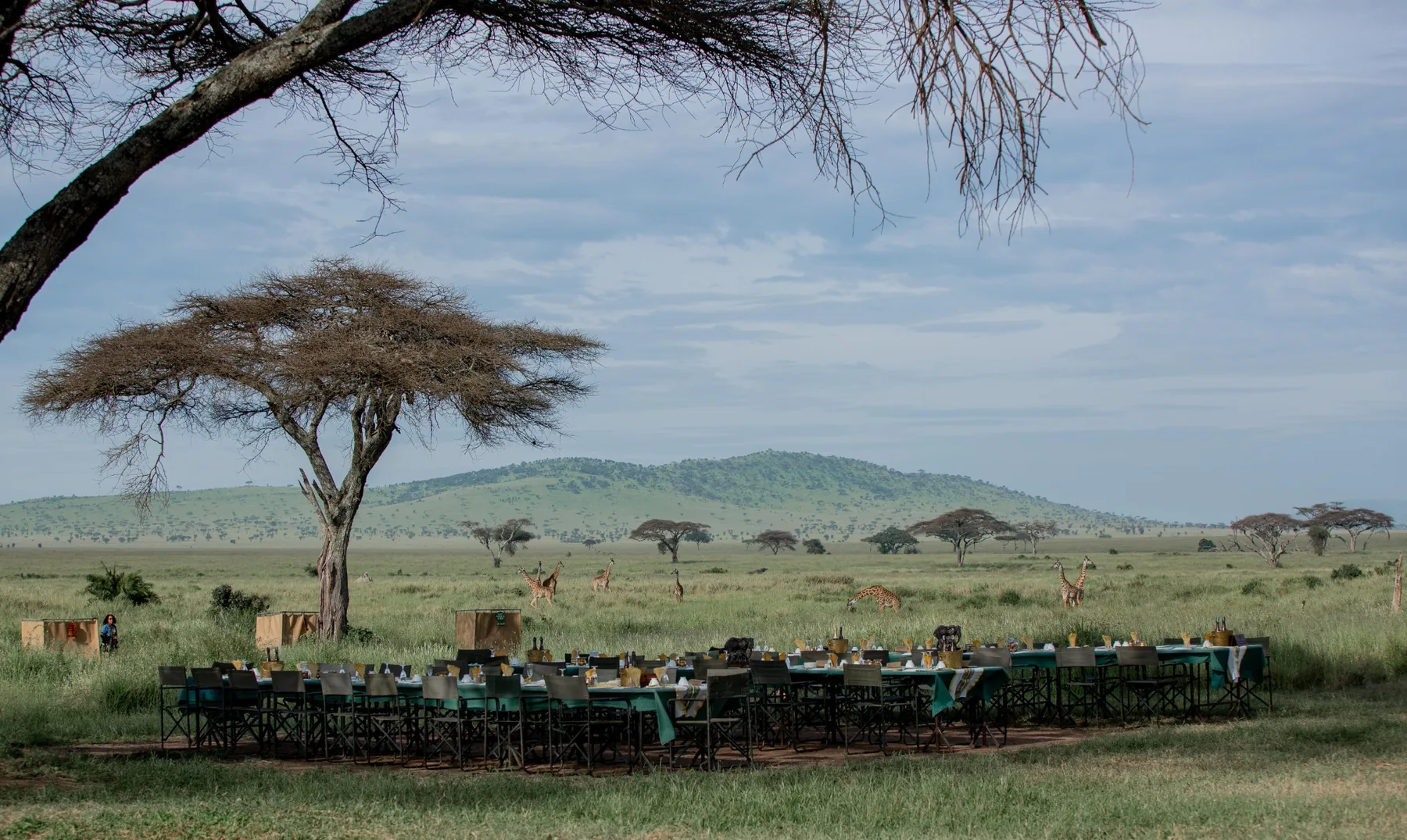
A bush lunch, outdoor breakfast, sundowner or campfire can change the pace of a safari. These are additional services rather than automatic parts of park entry. Horse riding, cycling, ballooning and specialised wildlife viewing each have location-specific arrangements and fees.
Choosing the experience that fits
Your choice may centre on Serengeti's migration, Ngorongoro's crater, Tarangire's river habitats, Nyerere's boating, Katavi's seasonal floodplains or chimpanzees in Mahale and Gombe. For a shorter visit, consider Arusha National Park or another accessible area. Compare seasons and permitted activities rather than ranking parks by promised sightings.
Plan a wildlife visit
Browse fees to see published protected-area and activity fees.
Calculate fees for the official charges relevant to your dates, visitor categories and selected activities.
Trip scheduling to examine a supported protected-area visit, including activity placement and timing constraints.
KAONE's calculations cover supported official fees, while Trip Scheduling helps explore activities within selected protected-area days. Your operator or provider remains responsible for accommodation, transport and the actual arrangements.