The Serengeti, Kilimanjaro and Zanzibar may be familiar, but each offers a different experience. Habitats, seasons, access and activities also distinguish places within the same region. Compare what interests you rather than searching for one universally best destination.
Start with the experience you want
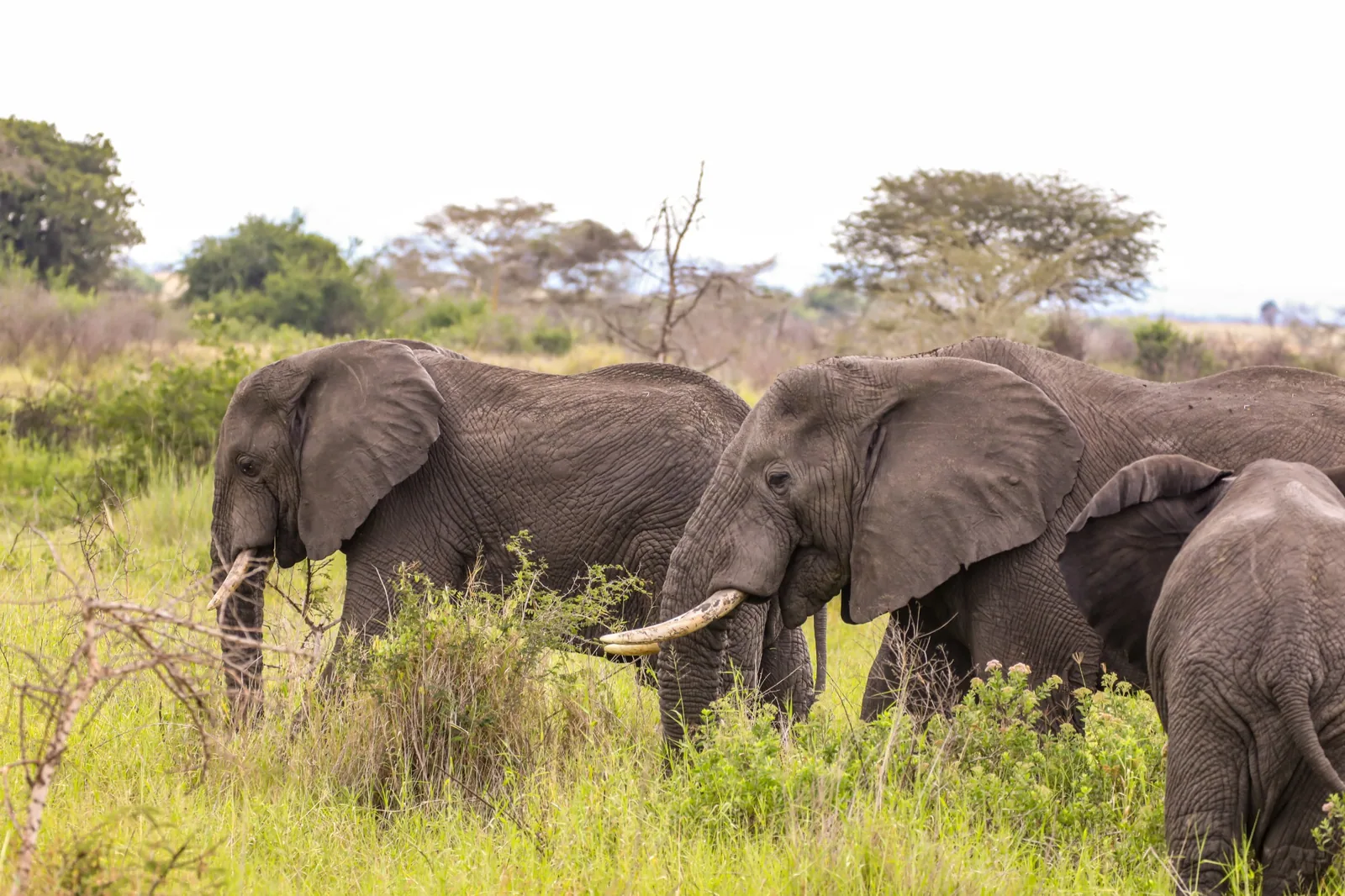
For large mammals on open plains, investigate the Serengeti; for river-based viewing, Nyerere. Gombe and Mahale offer chimpanzee trekking, while Udzungwa and the Eastern Arc are suited to forest natural history. Compare Kilimanjaro and Meru for a major mountain ascent.
For culture and history, look beyond parks. Stone Town and Kilwa reveal different periods of Swahili maritime life. Ujiji and Tabora illuminate inland trade, while Olduvai and Laetoli tell a much older human story.
Explore experiences across Tanzania.
Serengeti or Ngorongoro?
Serengeti offers a large, changing ecosystem of open plains, woodland, rivers and seasonal wildlife movement. It rewards visitors interested in scale, predators and migration—particularly when they choose the region most relevant to the time of year.
The southern Serengeti and Ndutu area are associated with calving during part of the year. The western corridor is linked with movements towards the Grumeti River. Northern Serengeti brings the possibility of activity around the Mara River. A journey to 'the Serengeti' without a regional preference may miss the experience a visitor has in mind.
Ngorongoro Crater is a different proposition: a wildlife landscape contained within the walls of a remarkable caldera. The setting, habitat diversity and concentration of animals are central to the encounter. The broader Ngorongoro Conservation Area includes pastoralist landscapes, highlands and archaeological sites far beyond the crater floor.
Choose Serengeti for a large ecosystem and movement across different habitats. Choose Ngorongoro for the crater setting and its particular wildlife encounter. Neither guarantees a species list, and the conservation-area entry and crater-descent rules are distinct.
Read about safaris and the migration · Explore the Ngorongoro Highlands.
Tarangire or Lake Manyara?
Tarangire is associated with baobabs, elephants, woodland and the Tarangire River. During drier periods, the river can become especially important as a water source. The wider ecosystem also illustrates how animals move beyond park boundaries.
Lake Manyara offers a contrast between groundwater forest, the Rift Valley escarpment, lakeshore habitats and birdlife. Baboons and other forest or woodland wildlife may be a prominent part of the experience. Tree-climbing lions are an interesting reported behaviour, not a routine sighting.
Choose Tarangire if elephants, river habitats and savannah woodland are central to your interest. Choose Manyara if you enjoy transitions between forest, escarpment and lake and are as interested in birds and habitat as large mammals.
Seasonal water conditions may change what you can see.
Nyerere or Ruaha?
Nyerere National Park is strongly associated with the Rufiji River and its connected waterways. Wildlife viewing may combine land-based game drives with authorised boat excursions, giving two contrasting perspectives on hippos, crocodiles, birds and other animals.
Ruaha National Park offers rugged, often expansive wilderness associated with the Great Ruaha River, predators, elephants and antelope. The appeal is in its landscape and ecology as much as in any single wildlife encounter.
Choose Nyerere if water-based observation is a major attraction. Choose Ruaha if large, rugged savannah country and predator ecology appeal more. Both deserve attention to seasonal access and the actual activities available at the location selected.
Mikumi, Udzungwa and Saadani
Mikumi provides a different savannah setting in southern Tanzania. Udzungwa Mountains National Park is primarily a forest-walking and biodiversity experience; Sanje Falls and the forest trails distinguish it from a game-drive park.
Saadani, with its coastal setting, illustrates another contrast: wildlife habitats close to the Indian Ocean. It is not the same experience as a marine reserve or a conventional open-plains safari.
These places favour habitat variety over a simple species-count comparison.
Gombe or Mahale?
Both protect wild chimpanzees near Lake Tanganyika. Neither is a vehicle-based safari.
Gombe combines steep lakeshore forest with the history of Jane Goodall's chimpanzee research. Access commonly involves travel through Kigoma and a boat transfer. Forest walks and research history are integral to the experience.
Mahale has a larger mountain-and-lake setting and a more remote sense of arrival. Its chimpanzee trekking takes place in forested slopes with a different logistical and scenic character.
Choose Gombe if the scientific history and a Kigoma-based approach are central to your interest. Choose Mahale if the wider mountain-and-lakeshore setting is equally important, and you are prepared for more involved access arrangements.
In both, the chimpanzees choose where to move. Trekking fitness and conservation rules matter more than claims about which park is 'best' for sightings.
Compare chimpanzee trekking · Explore the Great Lakes.
Kilimanjaro or Mount Meru?
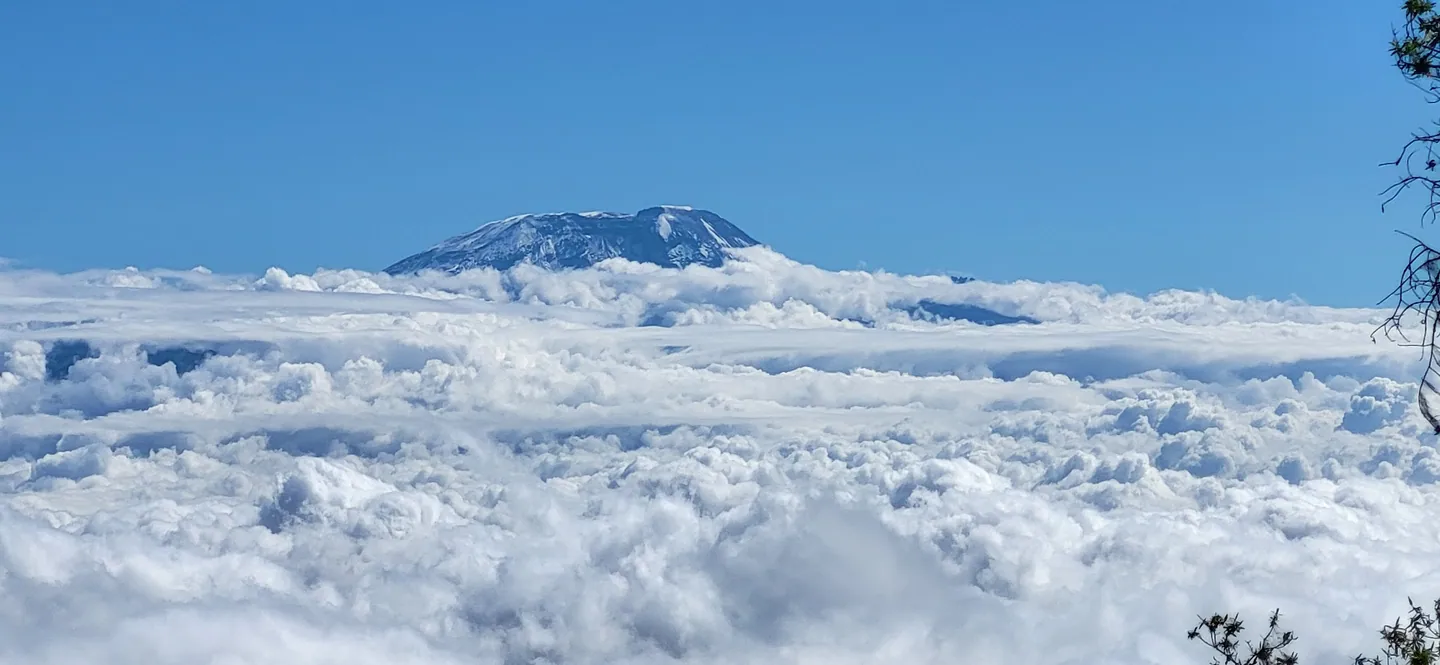
Kilimanjaro is a high-altitude mountain undertaking with several established routes. A Marangu hut-based ascent is different from camp-based Machame, Lemosho, Rongai or Northern Circuit routes. Acclimatisation, duration and summit conditions are decisive.
Mount Meru, inside Arusha National Park, offers a volcanic crater and high mountain slopes, with wildlife-rich habitats lower down. The climb is substantial in its own right.
Choose Kilimanjaro for the challenge of Africa's highest peak and its distinctive ecological zones. Choose Meru for a different volcanic mountain journey that does not need to be justified merely as Kilimanjaro preparation.
Compare routes and climbing demands.
Forest and volcanic mountains
The Eastern Arc Mountains invite a different type of attention. Uluguru, Usambara and Udzungwa are associated with forest biodiversity, endemic plants and animals, waterfalls and community landscapes. Their attraction is often in walking and understanding the forest rather than reaching a famous summit.
The Ngorongoro Highlands include volcanic landscapes such as Empakaai and Olmoti, high ground associated with Loolmalassin and the exceptional active volcano Ol Doinyo Lengai. These are distinct from an ordinary crater wildlife descent.
Choose the Eastern Arc for natural history and forest hiking. Choose the highlands for volcanic scenery, crater walks and the history of people in a Rift Valley landscape.
Eastern Arc Mountains · Ngorongoro Highlands.
Other western landscapes
Katavi is associated with remote seasonal floodplains where wildlife can concentrate around remaining water during dry periods. For someone interested in floodplain ecology and a less familiar savannah setting, it offers a distinctive subject.
Ugalla River National Park has riverine habitat, wetlands and miombo woodland. It may interest visitors who already know the classic northern parks and want to understand a different landscape. Its visitor infrastructure and actual access are particularly important considerations.
Farther north-west, Rubondo Island, Saanane Island, Burigi-Chato, Rumanyika-Karagwe and Ibanda-Kyerwa offer other protected landscapes associated with Lake Victoria and its hinterland. Their activities and access differ; inclusion in a park list should not be taken as evidence of identical facilities.
Culture and historical places
A visitor whose interests are not primarily wildlife or climbing has an equally rich set of options.
Stone Town offers a living historic city shaped by Indian Ocean exchange. Kilwa Kisiwani and Songo Mnara preserve the remains of a major medieval Swahili civilisation. Bagamoyo and Ujiji introduce later networks of inland trade, while Tabora helps tell the story of African political power and the caravan economy.
Olduvai, Laetoli, Isimila and Kondoa offer different ways of engaging with early humans, archaeology and cultural heritage.
Mwanza, the Rock City, offers an urban and lakeside experience; Ukerewe is a large inhabited island; Butiama connects the region to the history of Tanzanian independence.
Culture and heritage · Swahili Coast · Caravan routes.
Beyond the wildlife checklist
Kitulo National Park is a particularly good example. Its highland grasslands and seasonal flowers make it interesting for botany and landscape, rather than large-mammal game drives.
Mkomazi National Park offers a different dry-country wildlife and conservation setting, including rhinoceros conservation. Specialist activities require their own permissions and arrangements.
Arusha National Park combines forests, Momella Lakes, Mount Meru and walking opportunities, making it distinctive even for someone with limited time near Arusha.
These places remind us that a memorable experience may centre on birds, flowers, geology or a particular kind of walk rather than the famous Big Five.
Compare places by interest
| Your main interest | Places to explore first | Distinguishing consideration |
|---|---|---|
| Migration and broad savannah landscapes | Serengeti | Region and seasonal herd movement |
| Wildlife within a caldera | Ngorongoro Crater | Crater descent and distinct entry rules |
| Elephants and river woodland | Tarangire | Dry-season water and habitat |
| Forest–lake transitions | Lake Manyara | Woodland, birdlife and escarpment |
| Boat-based wildlife viewing | Nyerere | River access and authorised water activities |
| Rugged southern wilderness | Ruaha | Terrain, wildlife ecology and season |
| Forest primates | Gombe or Mahale | Access, research history, physical demands |
| High-altitude summit | Kilimanjaro or Meru | Route and acclimatisation |
| Forest biodiversity | Udzungwa, Uluguru, Usambara | Walking and ecological interpretation |
| Highland volcanic landscapes | Ngorongoro Highlands | Specific crater or mountain activity |
| Islands and lake life | Mwanza, Ukerewe, Rubondo | City, inhabited island or protected island |
| Maritime history | Stone Town, Kilwa, Bagamoyo | Living city, archaeological remains or caravan-era town |
Before you choose
Once a place appeals to you, there are four useful questions to answer:
- Season: What is likely to be distinctive about the place during your intended month?
- Activity: Which part of the experience interests you—game drive, trek, boat trip, museum, town or forest walk?
- Access and effort: What are the actual transport connections, physical demands and permissions?
- Costs and arrangements: Which charges are official protected-area fees, and which services must be arranged separately?
When to visit Tanzania helps with the first question. KAONE's Browse fees and Calculate fees support applicable official charges; Trip scheduling helps explore activities within supported protected-area days.
Compare what you want to experience, then confirm conditions and arrangements.